medshi8
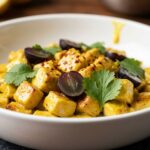
 This creamy, crunchy Mary Berry Thai Chicken Curry is made with tender chicken breasts, red curry paste, and full-fat coconut milk, ready in under an hour. The addition of water chestnuts and sugar snap peas right at the end creates a fresh texture that cuts through the rich sauce. I find this recipe completely foolproof for feeding a crowd without spending all evening in the kitchen.
Why This Classic Works
I have made countless curries that end up too watery, but Mary Berry has a clever solution that guarantees a velvety sauce every time. By sprinkling a little plain flour over the aromatics before adding the coconut milk, the sauce thickens perfectly without boiling it down for hours. It is a simple British twist that makes the dish far more manageable for home cooks.
The other surprise in this recipe is the use of tinned water chestnuts. While they might seem retro, they provide a distinct, refreshing crunch that you simply do not get from peppers or onions alone. Adding them alongside the sugar snap peas in the final minutes ensures they stay crisp and bright.
Jump to RecipeMary Berry Thai Chicken Curry Ingredients
- Chicken: 6 skinless, boneless chicken breasts, sliced into thin strips.
- Paste: 3 tbsp Thai red curry paste (divided use).
- Oil: 3 tbsp sunflower oil.
- Vegetables: 2 onions (sliced), 250g sugar snap peas (halved lengthways), 225g tin water chestnuts (drained and halved).
- Aromatics: 4cm piece fresh ginger (grated), 1 lemongrass stalk (bashed), 4 kaffir lime leaves, zest and juice of ½ a lime.
- Sauce: 1 tbsp plain flour, 2 x 400g tins full-fat coconut milk, 1 tbsp Thai fish sauce, 1 tbsp light muscovado sugar.
- Seasoning: Salt and freshly ground black pepper.

How To Make Mary Berry Thai Chicken Curry
- Marinate the Chicken: Slice the chicken breasts into thin strips and place them in a bowl. Add one tablespoon of the Thai red curry paste, season with salt and pepper, and toss until the chicken is well coated.
- Seal the Meat: Heat one tablespoon of oil in a large, deep frying pan or wok over high heat. Fry the chicken strips for about 5 minutes until they are sealed and just cooked through. You may need to do this in batches. Remove the chicken with a slotted spoon and set aside on a plate.
- Soften the Onions: Add the remaining oil to the pan and tip in the sliced onions. Fry for 3 minutes, then cover with a lid, turn the heat down low, and cook for 10 minutes until softened.
- Build the Base: Turn the heat back up. Add the grated ginger and the remaining 2 tablespoons of curry paste. Fry for 1 minute to release the fragrance. Sprinkle in the plain flour and stir well.
- Make the Sauce: Gradually pour in the coconut milk, stirring constantly to prevent lumps. Add the fish sauce, sugar, bashed lemongrass stalk, and lime leaves. Bring to a boil, stirring until the sauce thickens slightly.
- Simmer: Return the cooked chicken to the pan. Cover, reduce the heat, and simmer gently for 5–10 minutes to ensure the chicken is hot and tender.
- Add Crunch and Serve: Stir in the sugar snap peas, water chestnuts, lime zest, and lime juice. Cook for just 2 minutes more—the vegetables should remain crunchy. Remove the lemongrass and lime leaves before serving.

Recipe Tips
- Bash the lemongrass: Before adding the lemongrass stalk, hit it firmly with a rolling pin or the back of a knife. This bruises the fibres and releases the citrussy oils into the sauce much better than just putting it in whole.
- Watch the heat: Coconut milk can split if boiled too vigorously for too long. Once you have added the liquid, keep it to a gentle simmer. The flour helps stabilise it, but gentle heat is still best.
- Customize the spice: Thai curry pastes vary wildly in heat. Mary’s recipe uses 3 tablespoons, which is mild-to-medium. If you are sensitive to spice, start with 2 tablespoons and taste the sauce before returning the chicken to the pan.
What To Serve With Thai Chicken Curry
Steamed jasmine rice is the traditional choice, as its floral aroma complements the coconut sauce beautifully. For a true feast, add a side of prawn crackers and perhaps some extra lime wedges for squeezing. If you want to stretch the meal further, tenderstem broccoli or bok choy steamed with a little soy sauce makes an excellent green side.

How To Store
This curry stores brilliantly. Keep leftovers in an airtight container in the fridge for up to 2 days. To freeze, cool completely and store in freezer-safe bags or tubs for up to 3 months. Defrost thoroughly in the fridge before reheating gently on the hob until piping hot. Note that the sugar snap peas may lose a little of their crunch after freezing.
FAQs
Can I use green curry paste instead?
Yes, you can swap red paste for green Thai curry paste. Green curry tends to be slightly hotter and more herbaceous, but the method remains exactly the same.
Do I have to use full-fat coconut milk?
Mary Berry specifically recommends full-fat coconut milk because reduced-fat versions can be watery and are more likely to split. The full-fat version ensures the sauce is rich and coats the chicken properly.
What can I use instead of water chestnuts?
If you cannot find water chestnuts, bamboo shoots are a great alternative for texture. Alternatively, baby corn adds a nice crunch and sweetness that works well in this dish.
Is this recipe gluten-free?
As written, it contains plain flour. To make it gluten-free, substitute the wheat flour for cornflour (cornstarch) or a gluten-free flour blend. Also, check your curry paste and fish sauce brands to ensure they are certified gluten-free.
Can I make this in a slow cooker?
You can, but add the sugar snap peas and water chestnuts only in the last 30 minutes of cooking. If cooking the chicken from raw in the slow cooker, you can skip the initial frying step, though you will lose some depth of flavour.
Nutrition
- Calories: 420 kcal
- Total Fat: 25g
- Saturated Fat: 18g
- Cholesterol: 85mg
- Sodium: 650mg
- Total Carbohydrate: 15g
- Protein: 32g
Try More Recipes:
- Mary Berry Creamy Paprika Chicken Recipe
- Mary Berry Coronation Chicken Recipe
- Mary Berry Hoisin Chicken Recipe

Mary Berry Thai Chicken Curry
6
servings15
minutes30
minutes45
minutesMary Berry Thai Chicken Curry combines tender chicken strips with a creamy, foolproof coconut sauce. Packed with crunchy water chestnuts and fresh sugar snap peas, this dinner is ready in 45 minutes. It is the perfect balance of ease and authentic flavour for a family meal.
Ingredients
6 skinless, boneless chicken breasts, sliced thin
3 tbsp Thai red curry paste (divided)
3 tbsp sunflower oil
2 onions, sliced
4cm piece fresh ginger, grated
1 tbsp plain flour
2 x 400g tins full-fat coconut milk
1 tbsp Thai fish sauce
1 tbsp light muscovado sugar
1 lemongrass stalk, bashed
4 kaffir lime leaves
250g sugar snap peas, halved lengthways
225g tin water chestnuts, drained and halved
Zest and juice of 1/2 lime
Salt and black pepper
Directions
- Slice the chicken breasts into thin strips. Place in a bowl with 1 tbsp of the curry paste, salt, and pepper. Toss to coat.
- Heat 1 tbsp oil in a large pan over high heat. Fry chicken for 5 minutes until sealed. Remove and set aside.
- Add remaining oil to the pan. Fry onions for 3 minutes, then cover, lower heat, and cook for 10 minutes until soft.
- Increase heat, add grated ginger and remaining 2 tbsp curry paste. Fry for 1 minute. Stir in the flour.
- Gradually add coconut milk, stirring to avoid lumps. Add fish sauce, sugar, lemongrass, and lime leaves. Bring to a boil.
- Return chicken to the pan. Cover and simmer gently for 5-10 minutes.
- Stir in sugar snap peas, water chestnuts, lime zest, and juice. Cook for 2 minutes to keep veg crunchy.
- Remove lemongrass and lime leaves. Serve hot with jasmine rice.