 medshi8
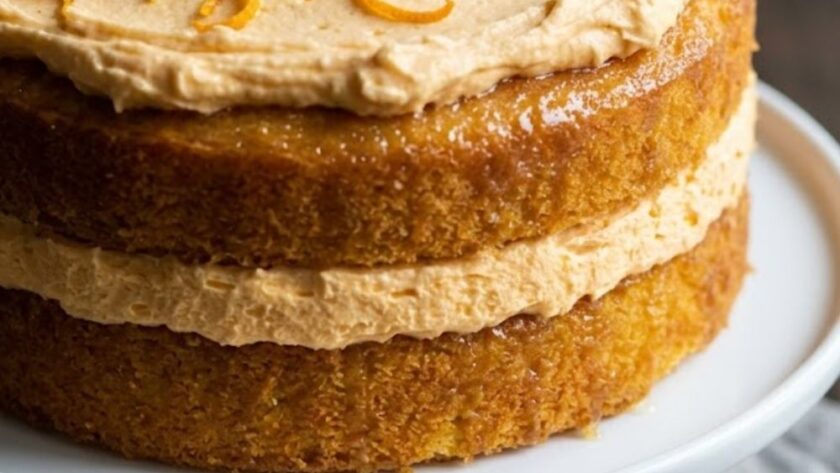
 This moist, zesty Mary Berry Orange Cake is made with a unique blend of sugars and fresh orange zest, and is ready in just under an hour. The secret lies in brushing the reduced orange glaze over the warm sponges, ensuring every bite is infused with tangy citrus syrup. I love how the light brown sugar adds a subtle caramel depth that you simply don’t get in standard sponges.
Why This Classic Works
What distinguishes this version from a standard Victoria sponge is the combination of golden caster sugar and light muscovado sugar. I used to think all sponges required white sugar for lightness, but Mary proves that adding brown sugar brings a lovely golden hue and a slightly fudgier texture without weighing down the crumb. It feels more robust and comforting than a delicate airy cake.
The other revelation is the glazing technique. Instead of just icing the top, you boil orange juice and sugar into a syrup and brush it directly onto the warm cakes. It acts like a drizzle cake, locking in moisture so the cake stays fresh for days. It was a pleasant surprise to see how much syrup the sponge could absorb without becoming soggy.
Mary Berry Orange Cake Ingredients
For the Sponge:
- 225g baking spread (or softened butter)
- 225g self-raising flour
- 1 tsp baking powder
- 100g golden caster sugar
- 100g light muscovado sugar (or light brown sugar)
- 4 large eggs
- Finely grated zest of 2 oranges
For the Glaze:
- Juice of 2 oranges
- 25g caster sugar
For the Filling & Topping:
- 150g butter, softened
- 300g icing sugar, sifted
- Finely grated zest of 2 oranges (save a little for decoration)

How To Make Mary Berry Orange Cake
- Prep the Oven and Tins: Preheat your oven to 180°C (160°C Fan/Gas 4). Grease two 20cm (8in) loose-bottomed sandwich tins and line the bases with baking parchment.
- Mix the Sponge: Measure the baking spread, flour, baking powder, both sugars, eggs, and orange zest into a large mixing bowl. Beat with an electric hand whisk for about 2 minutes until the mixture is smooth and well-blended. Avoid over-beating, or the cake may turn out heavy.
- Bake: Divide the mixture evenly between the two prepared tins and level the tops gently. Bake for 20–25 minutes until well risen, golden, and shrinking slightly from the sides of the tins.
- Make the Glaze: While the cakes are baking, pour the orange juice and 25g caster sugar into a small saucepan. Stir over low heat until the sugar dissolves, then boil rapidly until the liquid has reduced by half.
- Glaze the Cakes: Remove the cakes from the oven. Discard the parchment paper. Sit one cake upside down on a plate (this will be the bottom layer). Brush half the reduced glaze over this warm sponge. Brush the remaining glaze over the second sponge (which will be the top layer). Allow them to cool completely.
- Make the Icing: Beat the softened butter and sifted icing sugar together until light and fluffy. Stir in the orange zest.
- Assemble: Spread half the buttercream over the bottom glazed cake. Place the second cake on top. Spread the remaining buttercream over the top and sprinkle with the reserved orange zest.

Recipe Tips
- Use Baking Spread: Mary often recommends baking spread (like Stork) for all-in-one cakes because it contains emulsifiers that help create a lighter, fluffier crumb than pure butter.
- Reduce the Glaze: Don’t skip the boiling step for the glaze. Reducing the juice concentrates the flavour and makes it syrupy enough to cling to the sponge rather than just making it wet.
- Room Temperature Eggs: Ensure your eggs are at room temperature before mixing. Cold eggs can cause the batter to curdle, which affects the rise.
- Watch the Brown Sugar: Muscovado sugar can sometimes have hard lumps. Rub it through a sieve or break up lumps with your fingers before adding it to the bowl to avoid sugary pockets in the cake.
What To Serve With Orange Cake
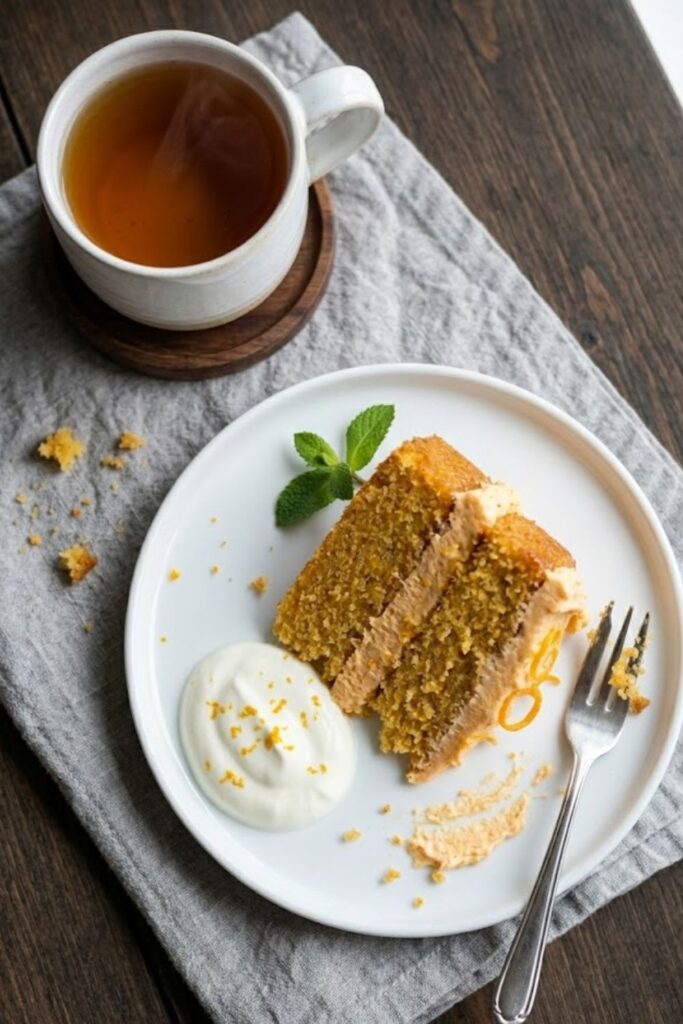
This cake is rich and sweet enough to stand alone with a cup of Earl Grey tea, which complements the citrus notes perfectly. If you are serving it as a dessert, a dollop of crème fraîche or unsweetened Greek yoghurt cuts through the sweetness of the buttercream nicely.
How To Store
Store the cake in an airtight tin at room temperature. Thanks to the syrup glaze and buttercream, it keeps moist and delicious for up to 3 days. It is arguably better on the second day as the flavours mature. You can freeze the un-iced sponges for up to a month.
FAQs
- Can I use plain flour? Yes, if you don’t have self-raising flour, use plain flour and add 3 level teaspoons of baking powder instead of 1.
- Why did my cake sink in the middle? This usually happens if the oven door was opened too early or if the batter was over-mixed. Trust the timing and check through the glass door first.
- Can I use all white sugar? You can use 200g of caster sugar if you don’t have brown sugar. The texture will be slightly lighter and less fudge-like, but still delicious.
- Do I need an electric mixer? An electric hand whisk is best for the all-in-one method to get enough air into the batter. If mixing by wooden spoon, beat vigorously for a bit longer.
Nutrition
- Calories: 580 kcal
- Total Fat: 32g
- Saturated Fat: 18g
- Cholesterol: 120mg
- Sodium: 380mg
- Total Carbohydrate: 72g
- Protein: 6g
Try More Recipes:

Mary Berry Orange Cake
8
servings20
minutes25
minutes45
minutesThis moist, zesty Mary Berry Orange Cake combines fresh citrus with a rich buttercream and sticky glaze. Made with baking spread and brown sugar for a perfect crumb, it’s ready in under an hour. A classic teatime treat that is easy to bake.
Ingredients
For the Sponge:
225g baking spread (or softened butter)
225g self-raising flour
1 tsp baking powder
100g golden caster sugar
100g light muscovado sugar (or light brown sugar)
4 large eggs
Finely grated zest of 2 oranges
For the Glaze:
Juice of 2 oranges
25g caster sugar
For the Filling & Topping:
150g butter, softened
300g icing sugar, sifted
Finely grated zest of 2 oranges
Directions
- Preheat your oven to 180°C (160°C Fan/Gas 4). Grease two 20cm (8in) loose-bottomed sandwich tins and line the bases with baking parchment.
- Measure the baking spread, flour, baking powder, both sugars, eggs, and orange zest into a large mixing bowl. Beat with an electric hand whisk for about 2 minutes until the mixture is smooth.
- Divide the mixture evenly between the two prepared tins. Bake for 20–25 minutes until well risen and golden.
- While baking, make the glaze: put the orange juice and 25g caster sugar into a small saucepan. Stir over low heat until dissolved, then boil until reduced by half.
- Remove cakes from oven and discard paper. Sit one cake upside down on a plate. Brush half the warm glaze over it. Brush the remaining glaze over the second warm sponge. Let cool.
- Make the icing by beating the softened butter, icing sugar, and orange zest until fluffy.
- Spread half the buttercream over the bottom cake, place the second cake on top, and spread the remaining buttercream over the top.


