medshi8
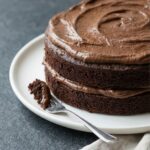
 This moist, tender Mary Berry Sponge Cake with Oil is made with Greek yoghurt, vegetable oil, and self-raising flour, and ready in under an hour. It creates a soft, pillowy crumb that stays fresh for days longer than traditional butter sponges. I love how this simple method guarantees a light texture without any creaming required.
Why This Recipe Works
While Mary Berry is famous for her classic Victoria sponge using butter or baking spread, this oil-based variation delivers an incredibly moist crumb that is almost impossible to dry out. By swapping solid fat for vegetable oil and Greek yoghurt, you coat the flour proteins more effectively, resulting in a tender texture that remains soft for 3 to 4 days.
I used to struggle with dry sponges until I tried this “yoghurt pot” method often associated with French home baking and Mary’s simpler recipes. The secret is the addition of yoghurt, which provides acidity to react with the raising agents for a brilliant rise, while the oil ensures the cake is light rather than greasy.
Mary Berry Sponge Cake with Oil Ingredients
- 250g Greek yoghurt (full-fat is best for moisture)
- 3 large eggs, at room temperature
- 225g caster sugar
- 150ml vegetable oil or sunflower oil (neutral flavour)
- 275g self-raising flour
- 1 tsp baking powder
- 1 tsp vanilla extract
- For the Filling (Optional):
- 4 tbsp strawberry or raspberry jam
- 150ml double cream, whipped

How To Make Mary Berry Sponge Cake with Oil
- Prep the Tins: Preheat your oven to 180°C (160°C Fan / Gas Mark 4). Grease and line two 20cm (8-inch) round sandwich tins with baking parchment.
- Whisk Wet Ingredients: In a large mixing bowl, whisk together the Greek yoghurt, eggs, caster sugar, vegetable oil, and vanilla extract until the mixture is smooth, pale, and slightly thickened.
- Add Dry Ingredients: Sift the self-raising flour and baking powder directly into the wet mixture.
- Fold Gently: Using a large metal spoon or spatula, gently fold the flour into the wet mixture. Stop mixing as soon as no streaks of flour remain to keep the sponge light.
- Bake the Cakes: Divide the batter evenly between the two prepared tins and level the tops. Bake for 30–35 minutes, or until golden brown and a skewer inserted into the centre comes out clean.
- Cool and Fill: Leave the cakes to cool in the tins for 10 minutes, then turn out onto a wire rack to cool completely. Once cold, sandwich together with jam and whipped cream, or dust with icing sugar.

Recipe Tips
- Don’t Overmix: Unlike butter sponges, oil cakes can become rubbery if overworking the gluten. Fold the flour in gently and stop as soon as it is combined.
- Use Neutral Oil: Stick to vegetable, sunflower, or mild rapeseed oil. Olive oil has a strong flavour that can overpower a delicate vanilla sponge unless you are specifically making a lemon-olive oil cake.
- Room Temperature Ingredients: Ensure your eggs and yoghurt are at room temperature before mixing. This helps them emulsify with the oil properly, creating a uniform crumb structure.
- Check for Doneness: Oil cakes often stay pale for longer. Trust the skewer test rather than just the colour; it should come out clean or with a few moist crumbs, but no wet batter.
What To Serve With Sponge Cake
This sponge is versatile enough to be served simply with a dusting of icing sugar and a cup of tea. For a more indulgent treat, sandwich it with high-quality raspberry jam and softly whipped double cream, or serve slices with fresh berries and a dollop of crème fraîche to cut through the sweetness.

How To Store
This cake keeps beautifully in an airtight container at room temperature for up to 4 days, staying moister than butter cakes. You can also freeze the un-iced sponge layers for up to 3 months; simply wrap them tightly in cling film and foil.
FAQs
- Can I use olive oil instead of vegetable oil? Yes, but use a light or mild olive oil. Extra virgin olive oil will give the cake a distinct savoury note that pairs well with lemon but may be too strong for a plain vanilla sponge.
- Can I bake this as a traybake? Absolutely. Pour the batter into a lined 20x30cm traybake tin and check it after 25–30 minutes. It is done when springy to the touch.
- Why did my cake sink in the middle? This usually happens if the oven door was opened too early or if the batter was overmixed. Avoid opening the oven until at least 25 minutes have passed.
- Can I add flavours to this base? Yes, this is a perfect base recipe. Add the zest of two lemons or oranges for a citrus twist, or fold in a handful of chocolate chips before baking.
Nutrition
- Calories: 385 kcal
- Total Fat: 22g
- Saturated Fat: 4g
- Cholesterol: 75mg
- Sodium: 180mg
- Total Carbohydrate: 42g
- Protein: 6g
Try More Recipes:
- Mary Berry Loaf Cake Recipe
- Mary Berry Pineapple Upside Down Cake Recipe
- Mary Berry White Chocolate Cheesecake Recipe

Mary Berry Sponge Cake with Oil
8
servings15
minutes35
minutes50
minutesThis Mary Berry Sponge Cake with Oil is incredibly moist, fluffy, and tender. Made with Greek yoghurt, vegetable oil, and self-raising flour, it is a foolproof bake ready in under an hour. Perfect for afternoon tea or a simple family treat.
Ingredients
250g Greek yoghurt (full-fat)
3 large eggs
225g caster sugar
150ml vegetable oil
275g self-raising flour
1 tsp baking powder
1 tsp vanilla extract
4 tbsp strawberry jam (optional filling)
150ml double cream (optional filling)
Directions
- Preheat oven to 180°C (160°C Fan) and line two 20cm round tins.
- Whisk yoghurt, eggs, sugar, oil, and vanilla in a large bowl until smooth.
- Sift in flour and baking powder, then fold gently until just combined.
- Divide mixture between tins and bake for 30-35 minutes.
- Cool in tins for 10 minutes, then transfer to a wire rack.
- Sandwich with jam and cream once completely cool.