 medshi8
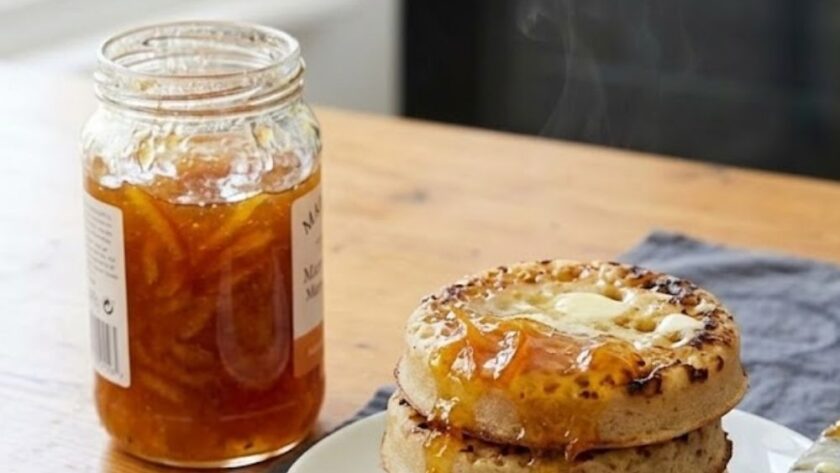
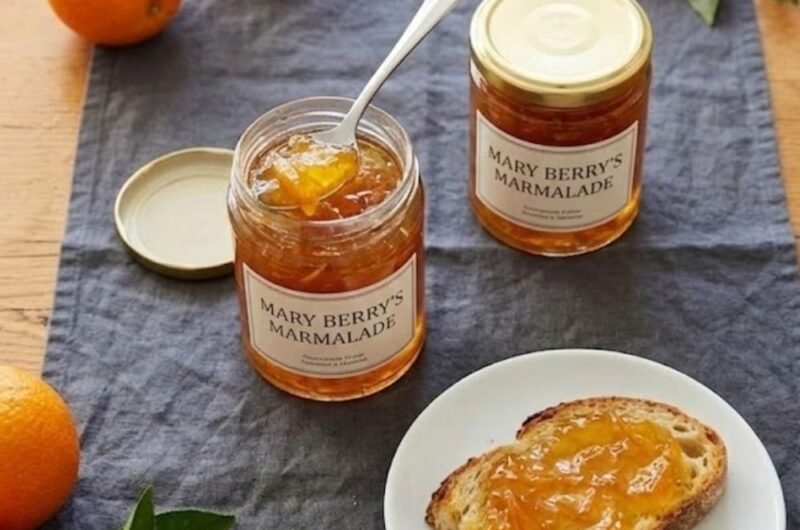
 This thick, glossy Mary Berry Marmalade is made with Seville oranges and sugar, and ready in about 3 hours of cooking time plus an overnight soak. The hero moment happens when a drop of the hot amber liquid wrinkles on a cold saucer, signaling it has reached the perfect set. I love how the traditional soaking method ensures the peel becomes melt-in-the-mouth tender.
Why This Classic Works
The secret to this version is the overnight soaking of the peel and pips. Many shortcuts skip this, but Mary knows that soaking extracts the maximum amount of natural pectin from the pith and seeds, which is essential for a firm set without needing artificial additives.
Another lesson I learned is the importance of softening the peel before adding the sugar. Once sugar is added, the peel hardens instantly and won’t soften further, so that long, gentle simmer is the only way to avoid chewy, tough shreds in your finished jar.
Mary Berry Marmalade Ingredients
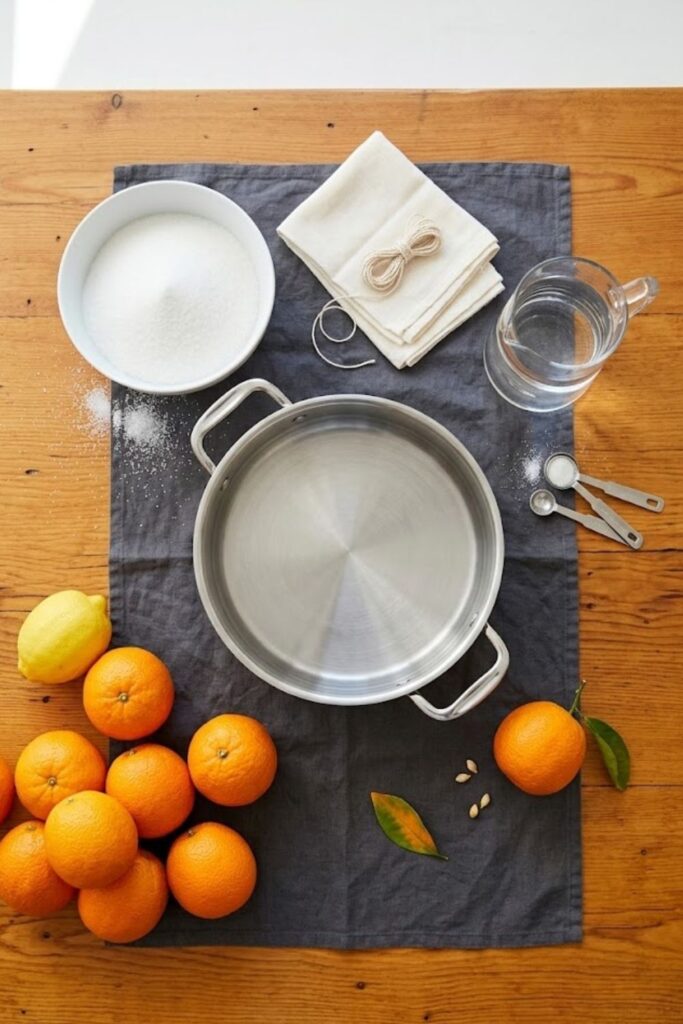
- 900g (2 lb) Seville oranges, un-waxed and scrubbed
- 1 large lemon, un-waxed and scrubbed
- 2.3 litres (4 pints) water
- 1.8kg (4 lb) granulated sugar or preserving sugar
How To Make Mary Berry Marmalade
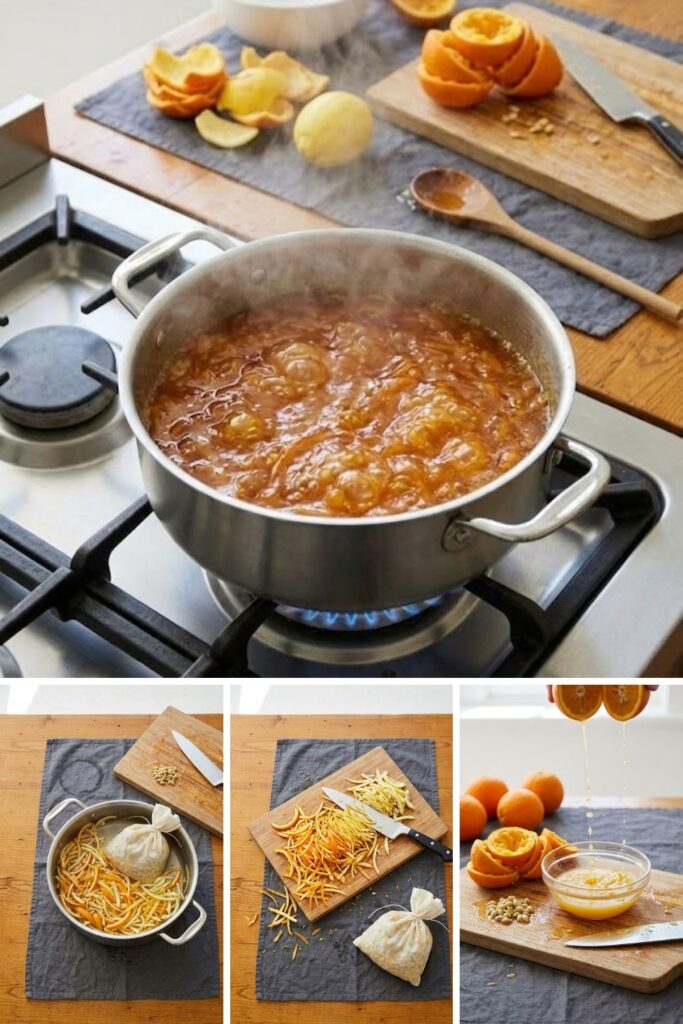
- Prepare The Fruit: Cut the Seville oranges and lemon in half and squeeze the juice into a large preserving pan. Save all the pips, pith, and any membrane that comes out, and tie them securely in a piece of muslin or a cheesecloth bag.
- Slice The Peel: Take the squeezed orange and lemon skins and slice them into shreds. You can make them thick (chunky marmalade) or thin (shredless style), depending on your preference. Add these shreds to the pan with the juice.
- Soak Overnight: Pour the 2.3 litres of water into the pan and submerge the muslin bag containing the pips. Leave the mixture to soak in a cool place for 24 hours or at least overnight. This softens the peel and releases pectin.
- Simmer The Peel: Bring the mixture to a boil, then cover and simmer gently for 2 hours. The peel must be completely soft before you proceed. The contents of the pan should reduce by about half during this time.
- Dissolve The Sugar: Remove the muslin bag, squeezing it firmly between two saucers to extract all the jelly-like pectin back into the pan (this is crucial for the set). discard the bag. Add the sugar to the pan and heat gently, stirring until every crystal has dissolved.
- Rapid Boil: Increase the heat to high and bring the marmalade to a rolling boil. Boil rapidly for 15 to 20 minutes without stirring.
- Check The Set: Remove the pan from the heat. Place a teaspoon of the marmalade on a chilled saucer and push it with your finger; if it wrinkles, it is set. If not, boil for another 5 minutes and test again.
- Cool And Pot: Let the marmalade stand in the pan for 15 minutes to thicken slightly (this stops the peel from floating to the top of the jar). Skim off any scum, then ladle into hot, sterilised jars and seal immediately.
Recipe Tips
- The Saucer Test: Put a few saucers in the freezer before you start the final boil. This ensures you can test the setting point instantly without waiting for a plate to cool down.
- Warming The Sugar: Place your sugar in a low oven for 10 minutes before adding it to the pan. Warm sugar dissolves faster and lowers the temperature of the mix less, helping you get back to a boil quickly.
- Don’t Rush The Simmer: If you add sugar before the peel is soft, you will end up with rock-hard chips of peel. Test a piece of peel by squashing it between your fingers; it should disintegrate easily.
- Skimming Scum: Add a small knob of butter at the end of the boiling stage to help disperse any foam, or simply skim it off with a spoon for a crystal-clear finish.
What To Serve With Marmalade
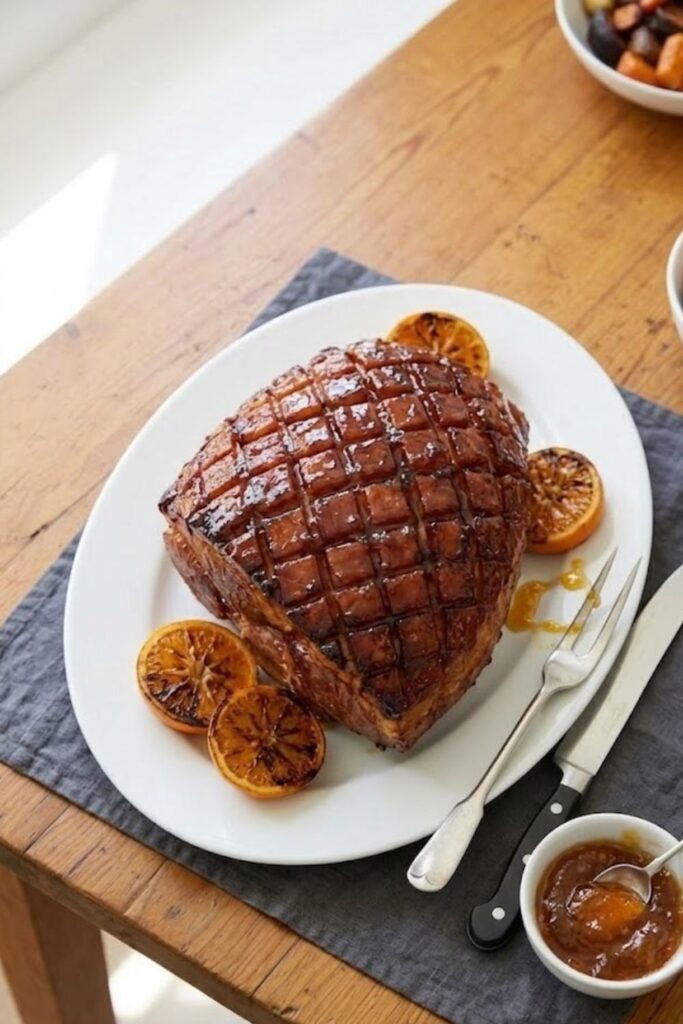
Naturally, this is the ultimate topping for hot buttered toast or crumpets on a Sunday morning. It also works beautifully as a glaze for a roasted gammon joint, where the bitterness cuts through the salty meat.
How To Store
Store unopened jars in a cool, dark cupboard for up to 1 year; the flavour often improves with time. Once opened, keep the jar in the fridge and consume within 6 weeks to prevent mould growth.
FAQs
- Why is my marmalade runny?
This usually means it hasn’t reached the setting point (105°C/220°F). You can re-boil it with a little extra lemon juice to help it set, but be careful not to overcook it into caramel. - Why has my peel floated to the top?
This happens if you pot the marmalade when it’s too hot and runny. Letting it cool for 15 to 20 minutes in the pan allows the jelly to thicken enough to suspend the peel evenly. - Can I use normal eating oranges?
Not easily. Seville oranges are high in pectin and acidity, which are vital for setting. If you use sweet oranges, you will need to add extra lemon juice and possibly pectin sugar. - Is the overnight soak really necessary?
Yes, for this traditional method. It ensures the peel is perfectly tender and helps extract the maximum amount of natural pectin from the pips.
Nutrition
- Calories: 50 kcal (per tbsp)
- Total Fat: 0g
- Saturated Fat: 0g
- Cholesterol: 0mg
- Sodium: 0mg
- Total Carbohydrate: 13g
- Protein: 0g
Try More Recipes:
- Mary Berry Sponge Cake with Oil Recipe
- Mary Berry Gluten Free Scones Recipe
- Mary Berry Christmas Trifle Recipe
Mary Berry Marmalade
6
servings45
minutes4
hours30
minutes5
hours15
minutesMary Berry Marmalade creates a thick, glossy preserve using Seville oranges and a traditional overnight soak method. It features tender peel suspended in clear, amber jelly. Perfect for your morning toast or brunch spread. Ready in roughly 3 hours of cooking plus soaking.
Ingredients
900g (2 lb) Seville oranges, un-waxed and scrubbed
1 large lemon, un-waxed and scrubbed
2.3 litres (4 pints) water
1.8kg (4 lb) granulated sugar or preserving sugar
Directions
- Prepare The Fruit: Cut the Seville oranges and lemon in half and squeeze the juice into a large preserving pan. Save all the pips, pith, and any membrane that comes out, and tie them securely in a piece of muslin or a cheesecloth bag.
- Slice The Peel: Take the squeezed orange and lemon skins and slice them into shreds. You can make them thick (chunky marmalade) or thin (shredless style), depending on your preference. Add these shreds to the pan with the juice.
- Soak Overnight: Pour the 2.3 litres of water into the pan and submerge the muslin bag containing the pips. Leave the mixture to soak in a cool place for 24 hours or at least overnight. This softens the peel and releases pectin.
- Simmer The Peel: Bring the mixture to a boil, then cover and simmer gently for 2 hours. The peel must be completely soft before you proceed. The contents of the pan should reduce by about half during this time.
- Dissolve The Sugar: Remove the muslin bag, squeezing it firmly between two saucers to extract all the jelly-like pectin back into the pan (this is crucial for the set). discard the bag. Add the sugar to the pan and heat gently, stirring until every crystal has dissolved.
- Rapid Boil: Increase the heat to high and bring the marmalade to a rolling boil. Boil rapidly for 15 to 20 minutes without stirring.
- Check The Set: Remove the pan from the heat. Place a teaspoon of the marmalade on a chilled saucer and push it with your finger; if it wrinkles, it is set. If not, boil for another 5 minutes and test again.
- Cool And Pot: Let the marmalade stand in the pan for 15 minutes to thicken slightly (this stops the peel from floating to the top of the jar). Skim off any scum, then ladle into hot, sterilised jars and seal immediately.