 medshi8
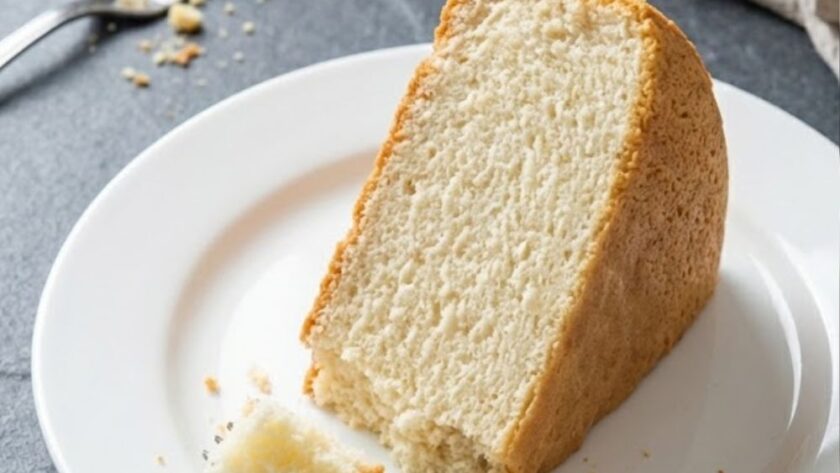
 This feather-light, airy Mary Berry Genoise Sponge Cake is made with eggs, sugar, plain flour, and a touch of melted butter, ready in just over 40 minutes. The secret lies in whisking the mixture to the ribbon stage, where it holds a pale, thick trail for seconds before sinking back. I find this sponge creates the perfect delicate base for fresh fruit and cream.
The Secret To Getting It Right
Making a true Genoise was a turning point in my baking journey because it taught me that air is an ingredient. Unlike a Victoria sponge where you can rely on baking powder, this recipe relies entirely on the volume you create by whisking warm eggs and sugar. The first time I made it, I rushed the whisking and ended up with a dense, rubbery pancake—patience during the ribbon stage is non-negotiable.
The other crucial lesson is the “sacrificial batter” technique when adding butter. If you pour heavy melted butter straight into your fluffy eggs, it sinks to the bottom and deflates everything. Mixing a spoonful of the batter into the butter first lightens it, making it much easier to fold in without destroying all your hard work.
Mary Berry Genoise Sponge Cake Ingredients
- 4 large eggs: Must be at room temperature to achieve maximum volume when whisking.
- 120g caster sugar: Superfine sugar dissolves quickly into the warm eggs.
- 120g plain flour: Sifted twice to ensure it is aerated and lump-free.
- 25g unsalted butter: Melted and cooled slightly. This enriches the sponge and keeps it moist.
- 1 tsp vanilla extract: Optional, for a classic sweet aroma.
- Pinch of salt: Helps stabilise the egg foam and balances sweetness.

How To Make Mary Berry Genoise Sponge Cake
- Prep the Tin: Preheat your oven to 180°C (160°C Fan/Gas 4). Grease a 20cm (8-inch) round cake tin and line the base with baking parchment. Do not grease the sides too heavily, as the sponge needs to grip the sides to rise evenly.
- Warm the Eggs: Place the eggs and sugar in a large heatproof bowl set over a pan of simmering water (bain-marie). The base of the bowl should not touch the water. Whisk gently by hand until the sugar has dissolved and the mixture feels warm to the touch.
- Whisk to Ribbon Stage: Remove the bowl from the heat. Using an electric hand whisk or stand mixer, whisk on high speed for 5–8 minutes. The mixture should triple in volume, turn very pale, and reach the “ribbon stage”—where a trail of batter stays on the surface for a few seconds when you lift the whisk.
- Fold the Flour: Sift half the flour over the mixture. Using a large metal spoon or spatula, fold it in very gently using a figure-of-eight motion. Repeat with the remaining flour. Be careful not to knock out the air.
- Add the Butter: Pour the melted (cooled) butter into a small bowl. Add one spoonful of the sponge batter to the butter and mix vigorously until smooth. Pour this mixture back into the main bowl and fold it in gently until just combined.
- Bake: Pour the batter into the prepared tin. Bake for 25–30 minutes until the sponge is golden, risen, and springs back when lightly pressed. Cool in the tin for 5 minutes, then turn out onto a wire rack to cool completely.

Recipe Tips
- The Bowl Test: Ensure your mixing bowl is completely clean and grease-free before starting. Any trace of oil can stop the eggs from whisking up to their full potential.
- Sifting is Key: Don’t skip sifting the flour. Heavy clumps of flour will sink straight to the bottom of the foam and force you to over-mix to get them out, which deflates the cake.
- Butter Temperature: The butter should be melted but cool. If it’s hot, it will cook the eggs; if it’s solidified, it won’t incorporate. Aim for tepid liquid.
- Fold, Don’t Stir: Use a “cutting” motion down the centre and up the sides. Never stir in circles, or you will lose the air bubbles that make the sponge light.
What To Serve With Genoise Sponge
This sponge is drier than a butter cake, making it the perfect vehicle for moisture-rich fillings. I recommend splitting it and filling it generously with Crème Chantilly (sweetened whipped cream) and fresh strawberries or raspberries. It also works beautifully soaked with a simple lemon or coffee syrup before icing.

How To Store
Genoise sponge is best eaten on the day it is made as it contains very little fat and stales quickly. If you need to store it, wrap it tightly in cling film and keep it at room temperature for up to 2 days. It freezes exceptionally well; wrap the cooled sponge in double layers of cling film and freeze for up to 1 month.
FAQs
- Why did my Genoise sponge turn out flat?
This usually happens if the eggs weren’t whisked enough or the air was knocked out during folding. Ensure you reach the thick ribbon stage before adding flour. - Can I use self-raising flour?
Traditional Genoise uses plain flour and relies on air for the rise. However, Mary Berry sometimes uses self-raising flour in her variations for extra insurance. If you are nervous, you can use self-raising, but the texture will be slightly different. - Why is my sponge rubbery?
A rubbery texture is a sign of over-mixing after adding the flour. Once the flour is added, the gluten begins to develop. Fold only until the flour streaks disappear.
Nutrition
- Calories: 190 kcal
- Total Fat: 6g
- Saturated Fat: 2.5g
- Cholesterol: 105mg
- Sodium: 60mg
- Total Carbohydrate: 28g
- Protein: 5g
Try More Recipes:

Mary Berry Genoise Sponge Cake
8
servings15
minutes30
minutes45
minutesThis feather-light Mary Berry Genoise Sponge Cake boasts an airy texture perfect for layered desserts. Made with pantry staples like eggs, plain flour, and sugar, it is ready in 40 minutes. Ideal for celebrations requiring a sophisticated, mousse-like base.
Ingredients
4 large eggs (room temperature)
120g caster sugar
120g plain flour
25g unsalted butter (melted and cooled)
1 tsp vanilla extract (optional)
Pinch of salt
Directions
- Preheat oven to 180°C (160°C Fan) and grease/line a 20cm round tin.
- Combine eggs and sugar in a heatproof bowl over simmering water; whisk until warm.
- Remove from heat and whisk on high speed for 5-8 minutes until tripled in volume and reaching ribbon stage.
- Sift flour over the mixture in two batches, folding gently with a metal spoon.
- Mix a spoonful of batter into the melted butter, then fold this mixture back into the main bowl.
- Pour into the tin and bake for 25-30 minutes until springy.
- Cool in tin for 5 minutes, then transfer to a wire rack.